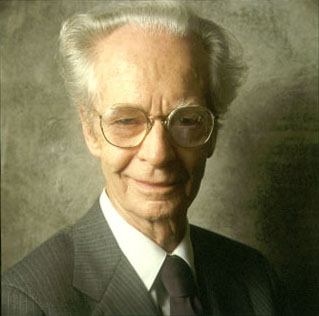
As I mentioned last week, Humanistic Psychology is based on aspects of life specific to humans, which borrows from Christian thoughts about the uniqueness of humans. The main areas of study include personal responsibility, values, and freedom, and it also studies the process of conscious experience (known as phenomenology, which is a very fun word to pronounce).
The Humanist psychologists believed that people were basically good, and everybody naturally wanted to be the best person they could. Rogers named this best version the “real self”, but later Humanists had different terms for it. For Rogers, people already have the ability to grow and solve their problems, they just need to be made aware of that. Related to that, he believed psychological problems weren’t inbuilt in a person but were caused by incongruence– the gap between their real self’s “I am…” and their learned views of “I should be…”.
Continue reading